Key details
- Current owner
- ARCA
- Previous owners
- Transports Metropolitans de Barcelona and the Autonomous University of Barcelona
- Year
- 1988
- Registration
- B-4855-KT
- Make
- Pegaso
- Model
- 6420
- Bodywork
- ENASA
- Entered service
- 1988
- Withdrawn from service
- not recorded
Technical information
- Make
- Pegaso 6420
- Length
- 11.335 mm
- Height
- 2.480 mm
- Width
- 2.850 mm
- Interior height
- —
- Door width
- 1.300 mm
- Chassis
- Pegaso 6420
- Engine
- 200 hp Pegaso 96A4AZ
- Coachbuilder
- ENASA
- Entered service
- 1988
- Fleet number
- 5014 with TMB
- Capacity
- 23 passengers and driver
- Registration
- B-4855-KT
Image gallery
Introduction
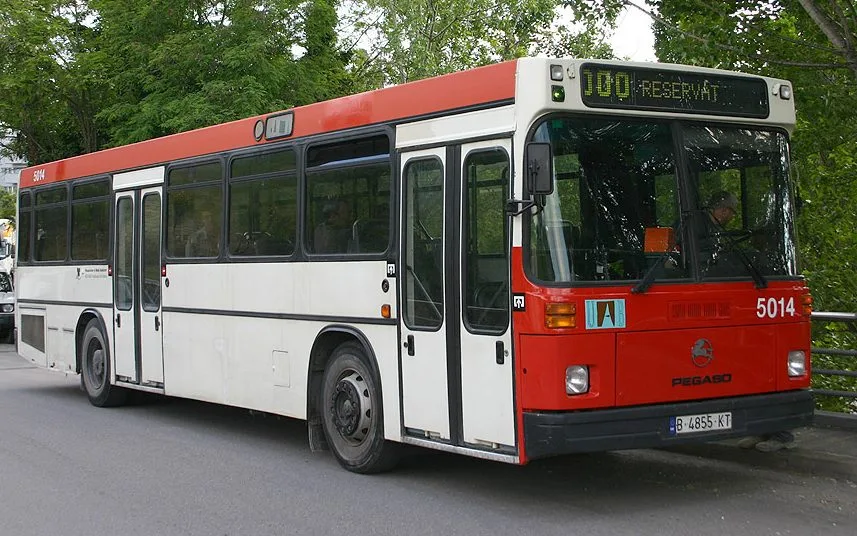
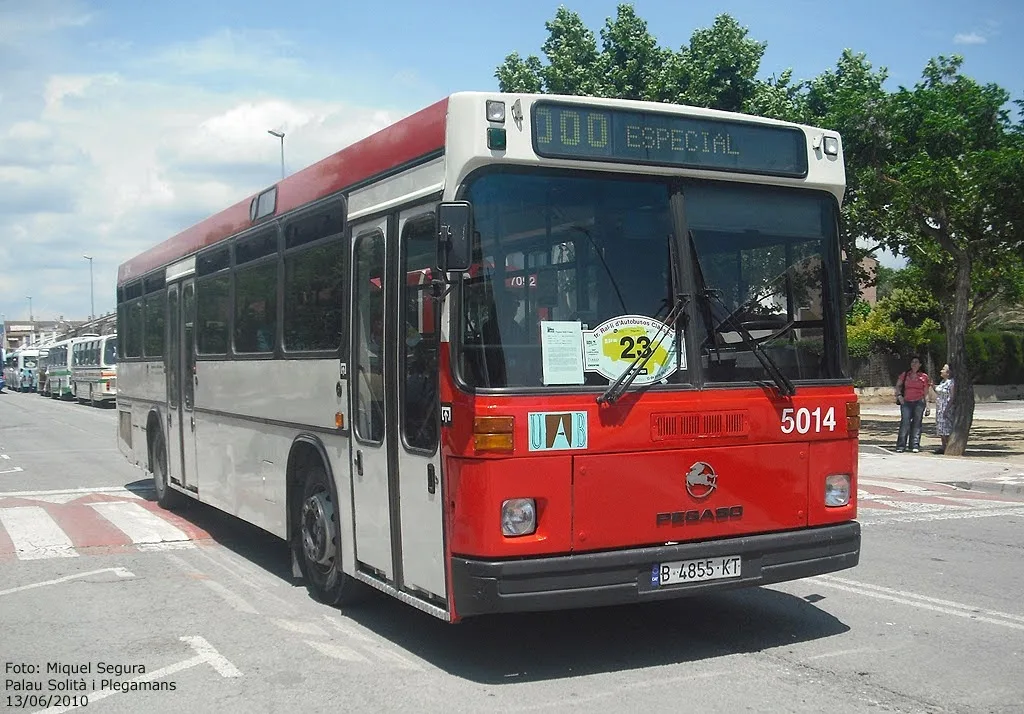
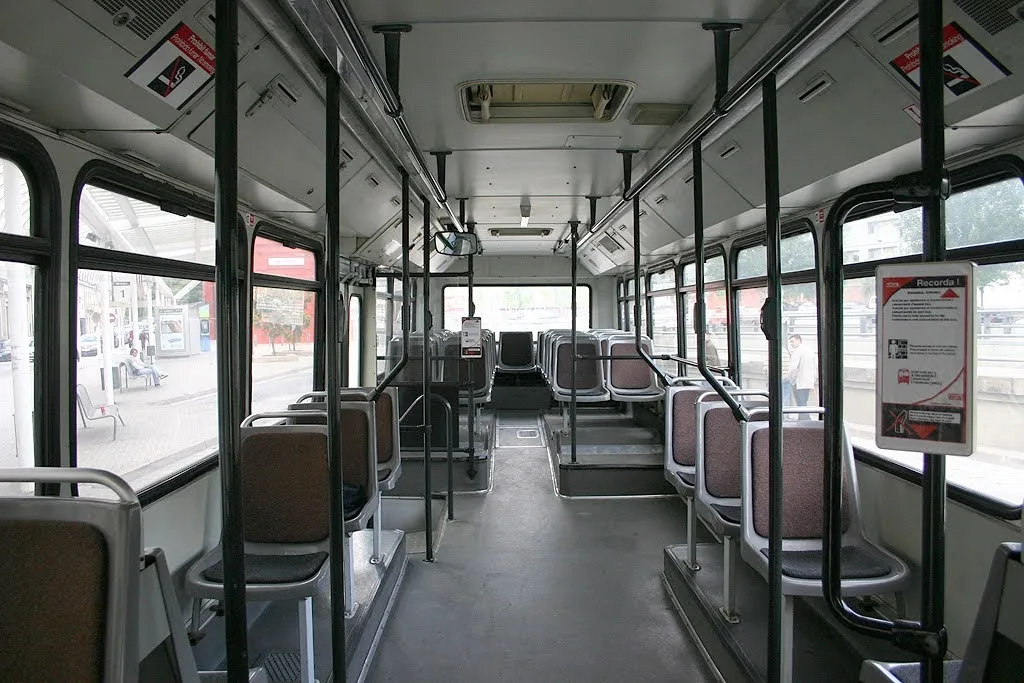
The Pegaso 6420 is an ENASA-built urban bus representing one of the last major generations of Pegaso buses in Barcelona. The model arrived in the late 1980s to modernise the Transports Metropolitans de Barcelona fleet and progressively replace older vehicles.
The preserved bus was built in 1988 and carried fleet number 5014. Within ARCA it is known by the nickname “Magribús”.
Vehicle condition
The “Magribús” now forms part of ARCA’s collection and is undergoing maintenance. Its preservation illustrates a key stage in the modernisation of Barcelona’s urban transport.
History
The first Pegaso 6420 prototypes reached Barcelona in 1985 and began trials on route 6. After this initial experience, Pegaso commissioned coachbuilder Obradors to redesign the exterior and give the vehicle a more modern appearance. The result became known as the Pegaso 6420 ENASA.
The first members of the 5000 series arrived in Barcelona in February 1988. After more than two months of testing, regular service began on 18 April, initially once again on route 6. Between 1988 and 1991, TMB acquired 179 Pegaso 6420 buses in the 5000, 5100 and 5300 series.
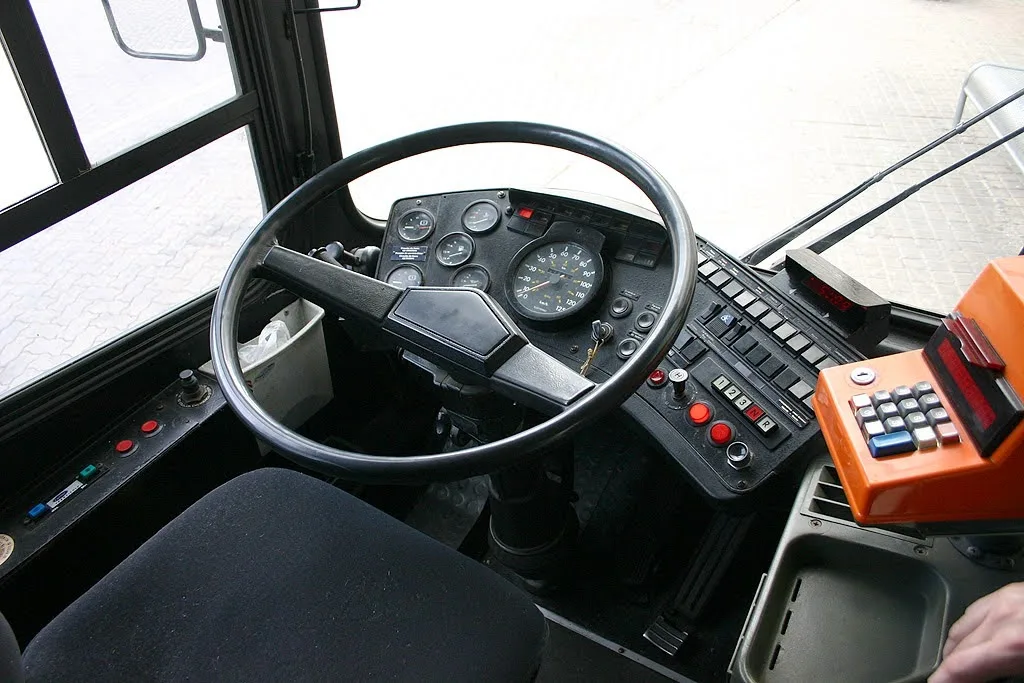
Unlike earlier models, the manufacturer delivered the bus with its body fully completed. It featured a rear engine, full air suspension, air conditioning, an electronic destination display and lower entrance steps. These improvements significantly increased passenger comfort and marked a major advance over the previous generation of urban buses. The 5000 series, including number 5014, used the Pegaso 96A4AZ engine and a Voith automatic gearbox.
The preserved vehicle operated in the TMB fleet as number 5014 and served on various Barcelona routes during the years when the Pegaso 6420 became a familiar feature of the city’s public transport.
In 2003, number 5014 was transferred to the Autonomous University of Barcelona with other former TMB Pegaso 6420 buses for the university’s internal campus service.
After withdrawal from that service, ARCA member Jordi Magrí preserved number 5014 and ensured its continued survival. The bus subsequently passed to ARCA and was formally incorporated into the association’s collection.
TMB began withdrawing Pegaso 6420 buses in 2002, and the last examples remained in regular service until summer 2005. On 10 September that year, ARCA organised a farewell event in which a Pegaso 6420 once again operated route 6, the same route used by the first prototypes twenty years earlier.