Key details
- Current owner
- David Boqué
- Original owner
- Empresa Cabrero, Valladolid
- Year
- 1976
- Registration
- VA-0275-G
- Make
- Pegaso
- Model
- 6035/5
- Bodywork
- Noge
- Entered service
- 1976
- Withdrawn from service
- not recorded
Technical information
- Chassis
- Pegaso 6035/5
- Engine
- Pegaso 9025/10
- Coachbuilder
- Noge
- Entered service
- 1976
- Fleet number
- 175
- Capacity
- 25 + 2
- Registration
- VA-0275-G
Image gallery
Introduction
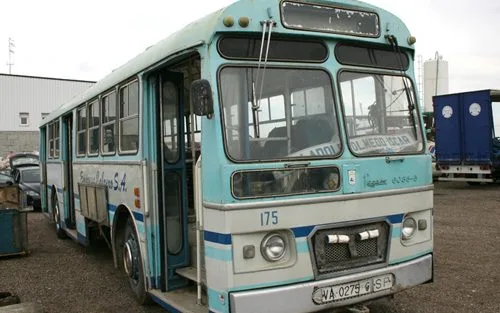
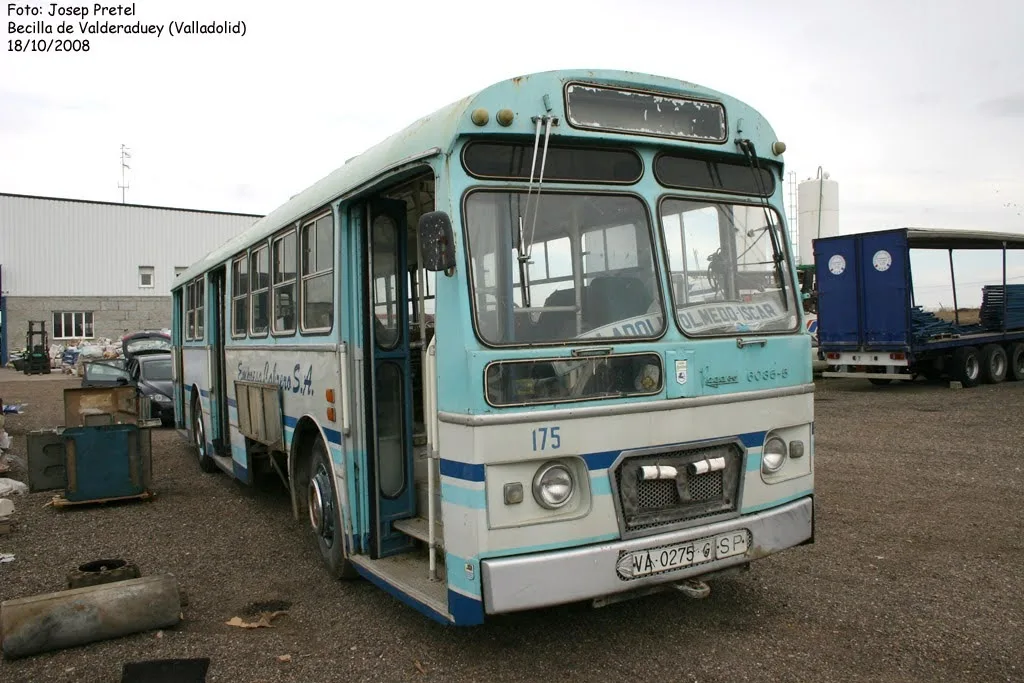
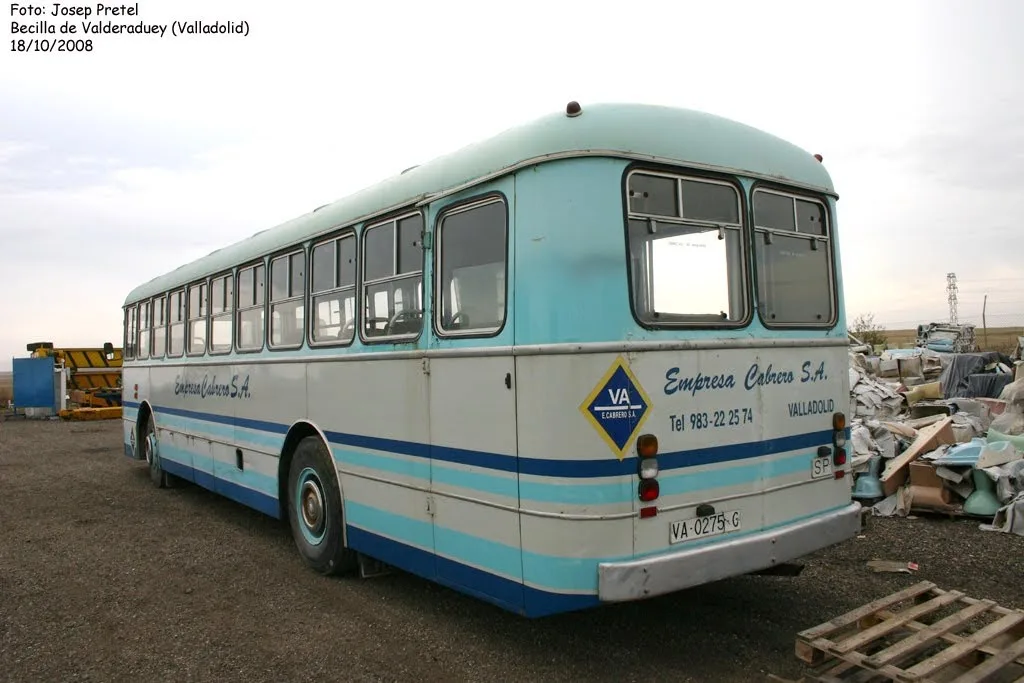
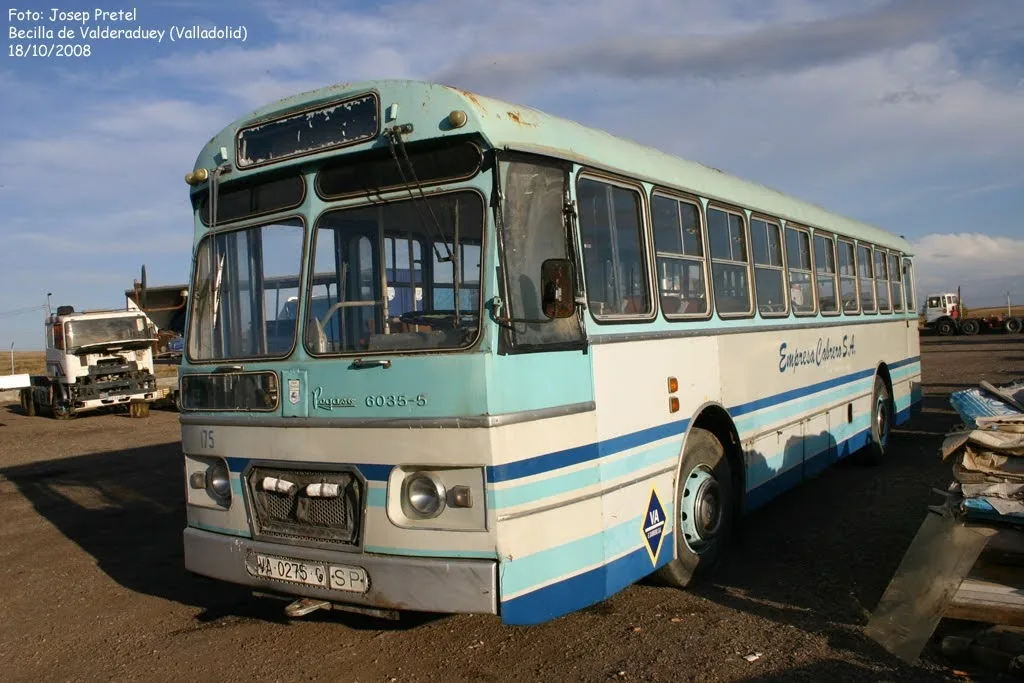
The “Boquebús” is a Pegaso 6035/5 built in 1976 with Noge bodywork. During its working life it belonged to Empresa Cabrero of Valladolid, where it carried fleet number 175 and registration VA-0275-G.
It is now owned by David Boqué and forms part of the vehicle collection associated with ARCA. Its nickname, “Boquebús”, comes directly from its owner’s surname.
Vehicle condition
The “Boquebús” is preserved within the ARCA community and is currently undergoing maintenance. It retains registration VA-0275-G and fleet number 175 from its years with Empresa Cabrero.
Its preservation complements the other versions of the Pegaso 6035 in the association’s collection and makes it possible to compare the different bodywork, layouts and uses found across this extensive bus family.
History
The Pegaso 6035 was one of the most representative products of the Spanish bus industry during the 1960s and 1970s. Its structure used the Monotral system, developed under licence from the Italian company Viberti and manufactured by Jorsa in Mataró.
Unlike buses built on a conventional frame, the Monotral system used a self-supporting structure in which frame and body formed a single unit. This reduced weight, made better use of the interior and allowed the vehicle to be adapted to different layouts and operating requirements.
The standard model was approximately eleven metres long. Early versions had an engine producing around 170 hp and a semi-automatic gearbox. Various mechanical and bodywork developments appeared during production. Vehicles built from 1973 onwards incorporated improved gearboxes, power steering and braking circuits, along with more efficient engines.
The Pegaso 6035 was used by numerous cities and transport operators throughout Spain. Versions were also built for interurban services, private hire and staff transport. The involvement of different coachbuilders produced a wide range of configurations within the same vehicle family.
The preserved vehicle belonged to Empresa Cabrero, a Valladolid company providing interurban, private-hire and staff transport services. It carried fleet number 175.
Unlike the Pegaso 6035 buses used on urban routes in Barcelona, the “Boquebús” did not come from the Transports de Barcelona fleet. Its Noge bodywork and interior layout reflect the requirements of the services operated by Empresa Cabrero.
After withdrawal, the vehicle was preserved by David Boqué. It represents a less familiar use of the Pegaso 6035 and illustrates the model’s presence beyond the major urban networks.