Key details
- Current owner
- Lluís Cuesta
- Original owner
- EMT Tarragona
- Year
- 1982
- Registration
- T-7451-L
- Make
- Pegaso
- Model
- 5081/1
- Bodywork
- Unicar U-75
- Entered service
- 1982
- Withdrawn from regular service
- 2006 with Forbús
Technical information
- Make
- Pegaso 5081/1
- Length
- 7.950 mm
- Height
- 3.000 mm
- Width
- 2.440 mm
- Interior height
- 1.800 mm
- Door width
- 700 mm anterior · 1.300 mm posterior
- Chassis
- Pegaso 5081/1
- Engine
- four-stroke Pegaso 9025/10 diesel, 6,550 cc and 125 hp at 2,400 rpm
- Coachbuilder
- Unicar U-75
- Entered service
- 1982
- Fleet numbers
- 33 with EMT Tarragona and 5 with Forbús
- Capacity
- 14 passengers and driver
- Registration
- T-7451-L
Image gallery
Introduction
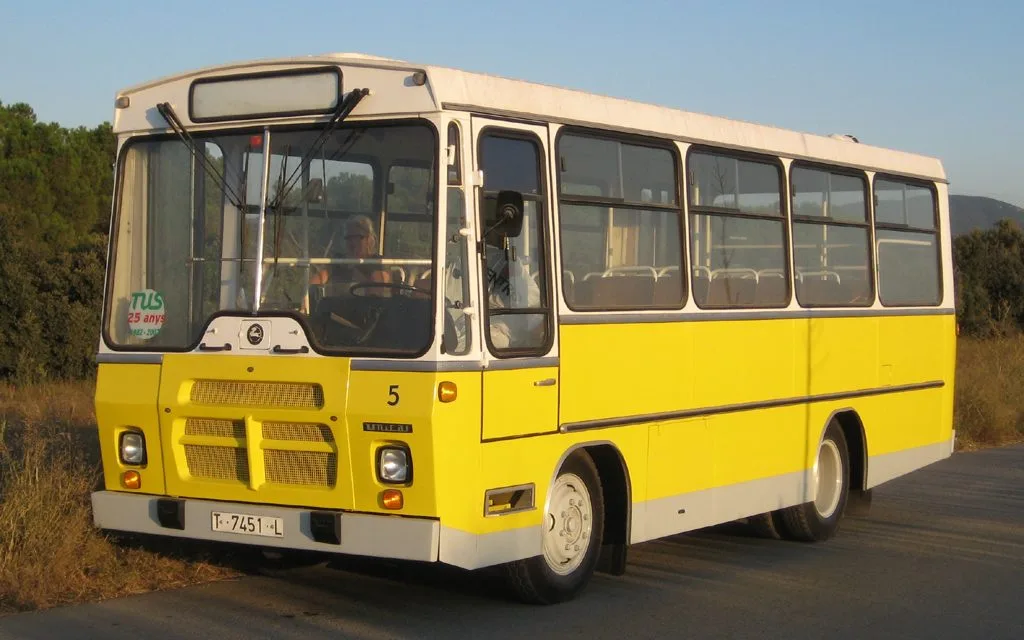
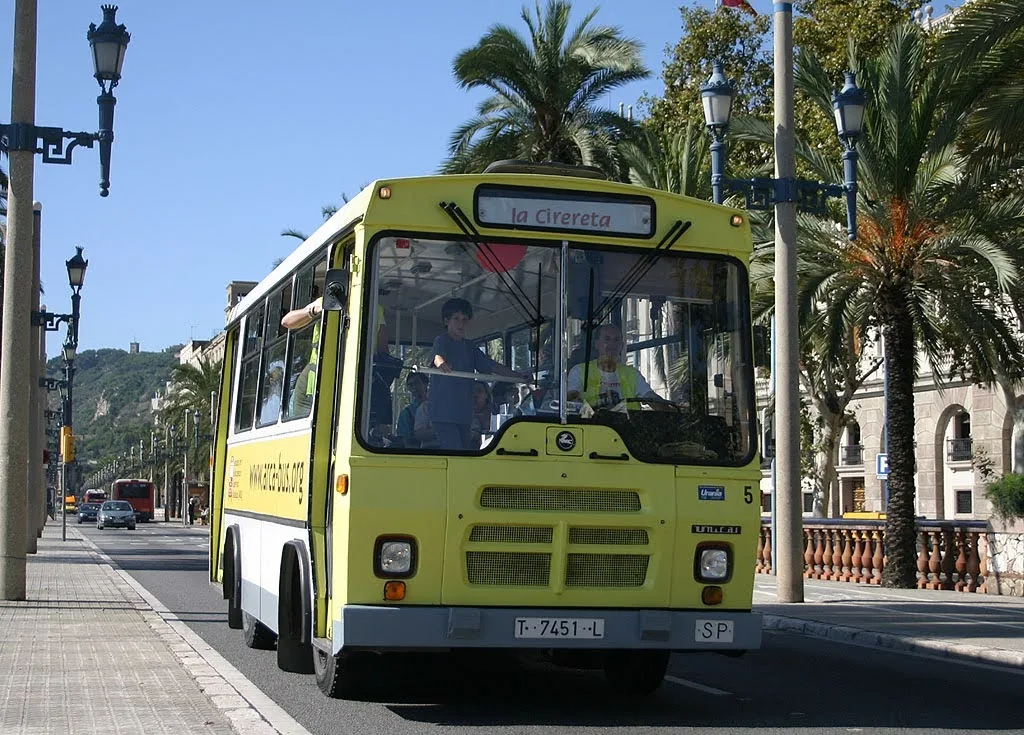
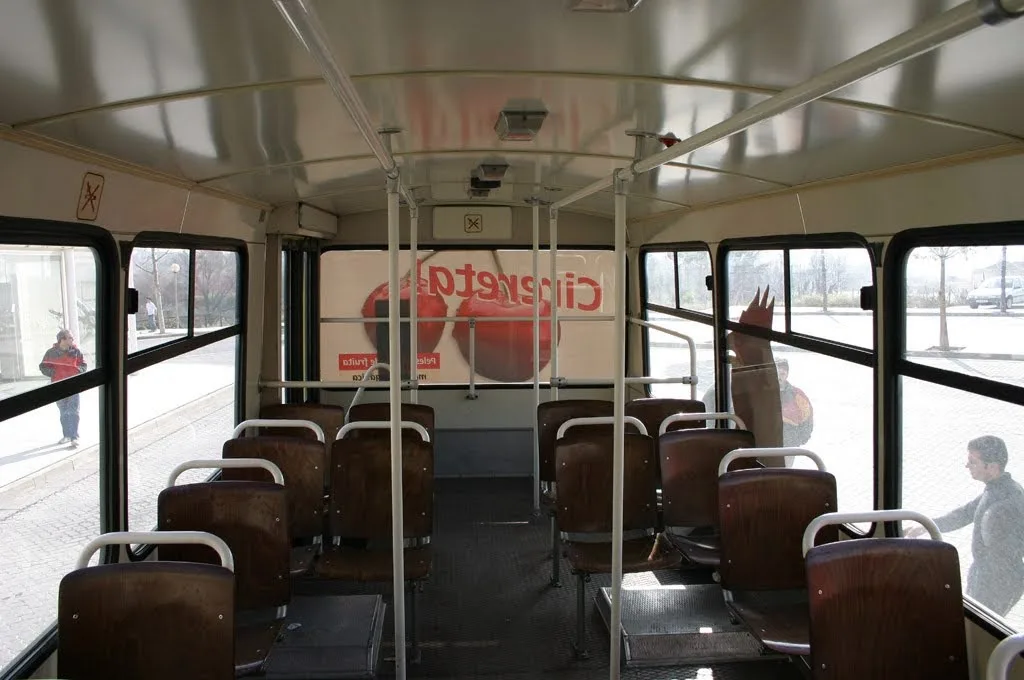
“Cirereta” is a short-version Pegaso 5081/1 with Unicar U-75 bodywork. With 14 passenger seats plus the driver and compact dimensions, it represents a type designed for lightly used urban routes and roads where a conventional bus would have been unnecessarily large.
Its yellow colour and an advertisement featuring a cherry gave rise to the nickname by which ARCA members know it.
Vehicle condition
ARCA member Lluís Cuesta preserved the vehicle after Forbús withdrew it in 2006. Initial work included mechanical maintenance and minor body repairs, including adjustment of the rear braking system.
Private preservation keeps this unusual representative of Pegaso’s medium-sized range operational and available for association activities.
History
The vehicle entered service in 1982 with Tarragona’s municipal transport operator, EMT, as fleet number 33. In 1991 it passed to Forbús of Valls, which renumbered it 5 and operated it until 2006.
During an ARCA visit to the Forbús depot that year, the possibility of preserving the bus was raised. Lluís Cuesta took responsibility for it and, following the initial repairs, it successfully passed its technical inspection.
Its career encompasses more than two decades of public service in the Camp de Tarragona area: first on a municipal urban network and later with a private operator. Preservation also retains the distinctive yellow appearance that inspired the nickname “Cirereta”.